

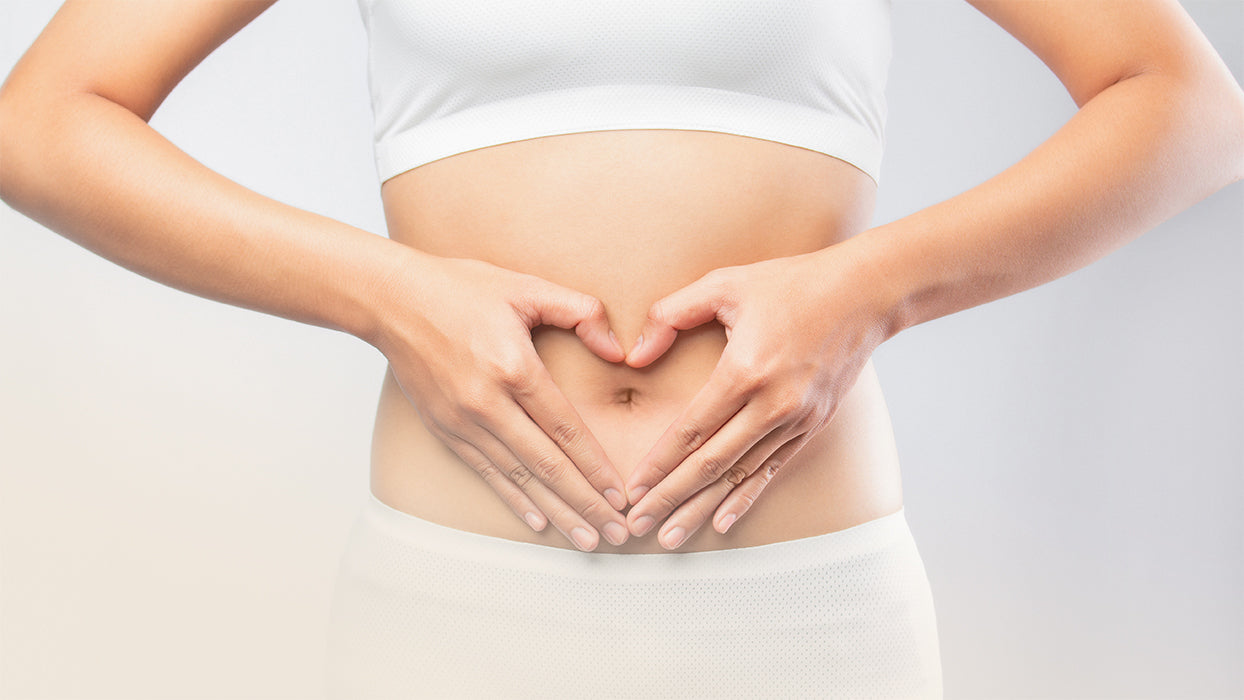
The myBioma microbiome analysis expert team clarifies things for you!
We are not only passionate about drinking kombucha, but also interested in topics related to the gut, nutrition, and the microbiome. Therefore, it made sense to exchange ideas with the experts from myBioma and test their microbiome analysis. Above all, we wanted to understand what information such an analysis provides and how the results can be interpreted. More on this after the interview!
Who is behind myBioma and how did you come up with the idea of developing a microbiome analysis?
myBioma was founded in 2018 by Dr. Barbara Sladek and Dr. med. univ. Nikolaus Gasche. Our founding team has a relevant background in molecular biology and medicine. Barbara Sladek holds a doctorate in biochemistry (Oxford, UK) and a diploma in molecular biology (University of Vienna). Nikolaus Gasche is a physician and serial entrepreneur.
The first discussions about the importance of the gut microbiome took place between Barbara and Nikolaus far from Vienna – in Ghana. Barbara was there as a traveler, Nikolaus as a medical intern. Three years and many conversations later, they implemented their plan and founded the biotech startup myBioma, focusing on "Next-DNA-Generation Sequencing," a scientific and IT-intensive process.
The goal is to highlight the importance of the gut microbiome and to establish gut health analysis as a routine measure.

What is meant by the term microbiome?
The microbiome is the collection of trillions of microorganisms that live in and on our bodies. It consists mainly of bacteria, but also contains fungi, viruses, and archaea. In total, over 30 trillion bacteria from over 1000 bacterial species live in us – that is more bacteria than we have body cells.
The gut microbiome is linked to numerous processes in the human body and is the subject of intensive research. Connections with digestion, metabolism, and the so-called gut-brain axis are being investigated, among other things. However, such connections do not mean that individual complaints or diseases can be generally attributed to the microbiome.
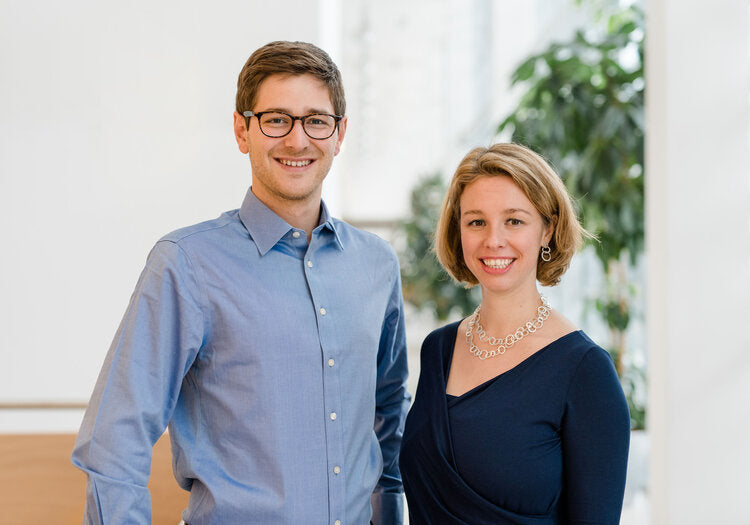
The myBioma founding team, Dr. med. univ. Nikolaus Gasche and Dr. Barbara Sladek
What differentiates myBioma from a conventional stool sample at the doctor's office?
What is often asked is why the analysis at the family doctor is cheaper and much faster. That's true, of course, but the analysis at the doctor's office is performed based on stool cultures. Such cultures are one of the oldest analytical methods (for 200 years) and are inaccurate in the quantitative detection of different bacteria. Furthermore, an analysis using stool culture detects on average only 10 different bacterial species, whereas the myBioma method (Next Generation Sequencing) can detect over 1000 different bacterial species. Due to the complexity of Next Generation Sequencing, the analysis is very cost-intensive. However, you also get a completely different result. You find out which bacteria were detected in the sample and how the results can be interpreted. The whole thing is clearly presented in an individual microbiome report and supplemented with dietary and lifestyle tips. We have also developed our own app where the results can also be accessed.
How exactly does the myBioma microbiome analysis work?
We have tried to make the process as simple as possible. The kit can be ordered online on our homepage: www.mybioma.com directly to your home, which also makes stool collection pleasant. The sample can therefore be collected in the familiar toilet and sent back to us with a pre-franked return envelope. Detailed instructions, as well as help for stool collection, are included in the kit. Afterwards, the sample only needs to be activated either on our homepage or app. We always provide status updates on where the sample is currently located. Once the sample has arrived with us, we pass it directly to our partner laboratory, which is located at AKH Vienna. We also collaborate with the Medical University of Vienna. Here, the stool is sequenced, which can take up to 6 weeks. Afterwards, we receive a huge dataset, which our bioinformaticians clearly prepare so that you receive a health report of your own microbiome. Here you can also gladly view our sample report.
What tips do you give your testers for an unbalanced microbiome?
First of all: We do not recommend probiotics, medication, or any other miracle pills. With the right foods and lifestyle, we can feed and multiply the right bacteria so that they work for us again. Generally speaking, a healthy lifestyle has a positive effect on our microbiome. At myBioma, we summarize five pillars of a healthy gut microbiome: First and foremost – nutrition. This includes not only the quality of our food, but above all how we eat. Hasty eating can stress our gut – which brings us to the second point: persistent stress can affect numerous processes in the body and is also linked to changes in the gut microbiome. Another important aspect is regular exercise, which activates our gut, preferably outdoors. Sufficient sleep also benefits our microbiome. Finally, toxins such as alcohol, nicotine, and medication should be largely avoided. In the microbiome report, everyone receives scientifically based dietary suggestions tailored to their results, which are easy to integrate into everyday life. Omega-3 fatty acids are an important component of a balanced diet. EPA and DHA fulfill various functions in the body; the further connections with the gut microbiome and gut-brain axis depend on diet, quantity, and individual situation. Omega-3 fatty acids are found in oily fish, such as trout, salmon, and sardines, avocado, spinach, nuts and seeds, and also in cold-pressed organic olive oil.
What kind of diet can support the microbiome?
A diverse and varied diet consisting of predominantly vegetables & fruits is the best choice to feed our good gut bacteria. The right diet lays the foundation for a healthy microbiome. It is also important to integrate sufficient prebiotics and probiotics from natural sources.
Prebiotics are indigestible food components that are helpful by specifically stimulating the growth of good gut bacteria. Prebiotic foods include onions, garlic, Jerusalem artichokes, leeks, asparagus, beans, bananas, chicory, artichokes, dandelions, apples, flaxseeds, or cabbage vegetables.
Probiotics are defined living microorganisms that must be consumed in sufficient quantities to be classified accordingly. Their properties depend on the specific strain studied and the quantity.
What are your thoughts on fermented foods like kombucha – and what role do they play in the context of nutrition and the gut microbiome?
Fermented foods like kombucha can contain different microorganisms depending on how they are produced. Which microorganisms are actually present and what significance they have depends on the specific food, the strains contained, and the current state of research. Research is investigating, among other things, possible connections between the gut microbiome, metabolism, and the gut-brain axis. However, a general effect of a fermented food on stress, emotions, or insulin balance cannot be deduced from this.
Would you also recommend a microbiome analysis for psychological problems to rule out a possible imbalance in the gut?
The gut and brain are connected via various neuronal, hormonal, and immunological signaling pathways. This so-called gut-brain axis is the subject of intensive research. The significance of changes in the microbiome for mental illnesses is complex and cannot be deduced from a microbiome analysis alone. Therefore, in cases of psychological complaints, a medical or psychotherapeutic professional should be consulted.
We have also dedicated ourselves to this topic in our report, so that with myBioma you can learn more about your own gut-brain axis.
My experiences with the myBioma microbiome analysis!
I actually had the pleasure of testing the myBioma microbiome analysis myself. The test in combination with the very well-structured app was really interesting. Because even beforehand, interesting questions about various eating habits and complaints etc. are asked.
After sending in the sample, I eagerly awaited my result and was regularly informed about the latest status of the sample.
My personal microbiome report turned out to be above average. The microbial composition, nutrition and nutrient utilization, and health were excellent. In addition, the composition of the bacteria is listed precisely. My species richness and probiotic bacteria also turned out to be above average.
My personal microbiome report was overall very positive. However, the factors that contributed to this result cannot be determined from a single analysis and, in particular, cannot be attributed to a single food item like kombucha. The app also provides information and nutritional advice for interpreting the results.





Share: