

In conversation with founder Laura from L-Complex
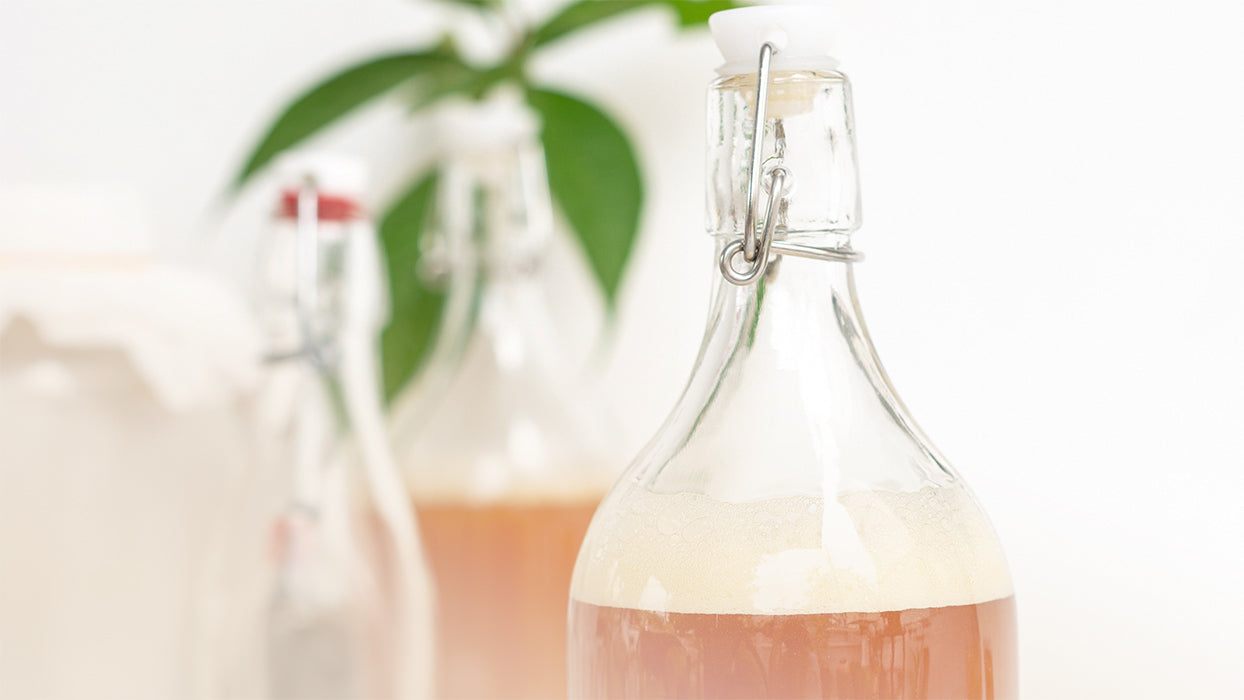
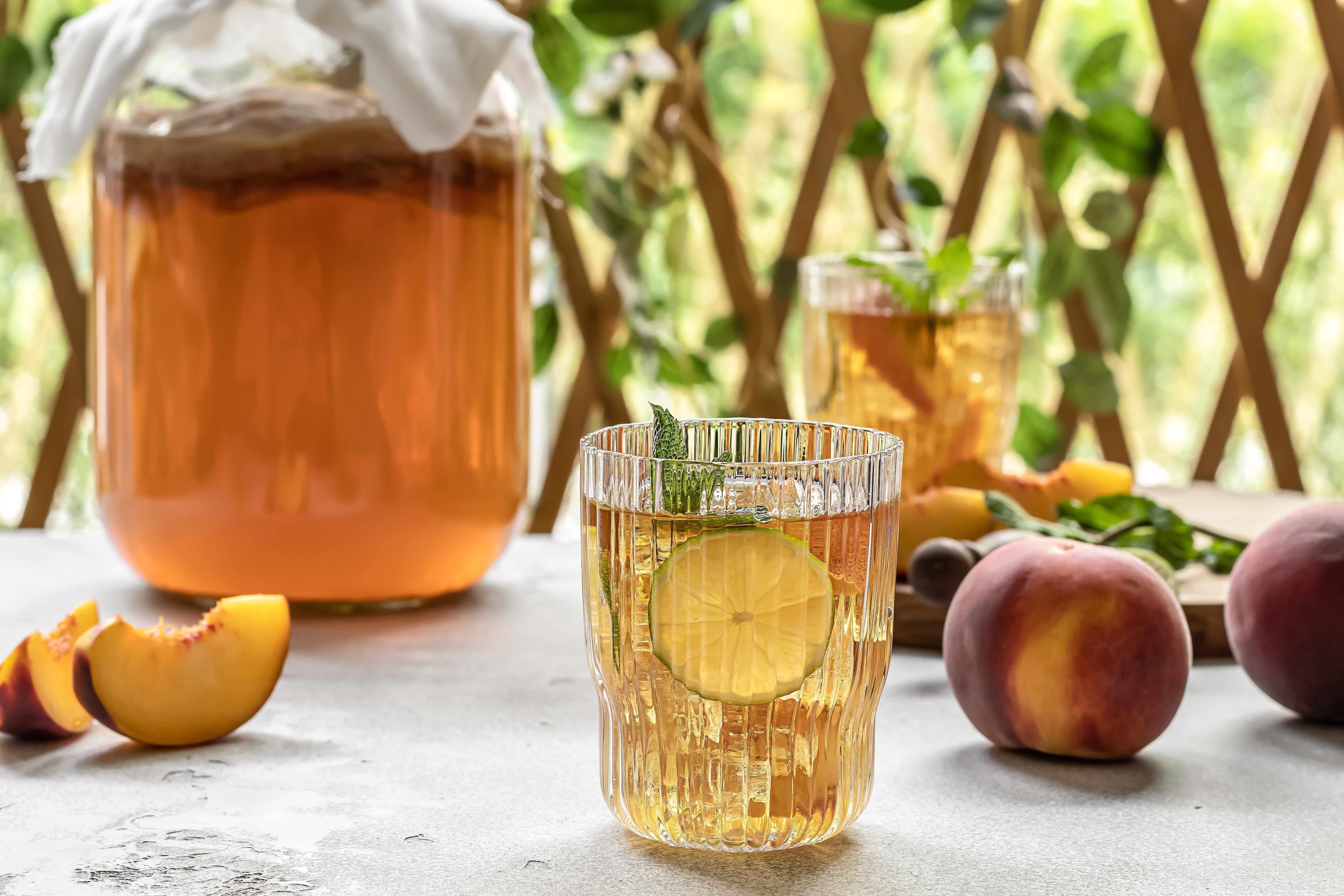
Which ingredients are present in kombucha depends heavily on the tea, culture, and fermentation conditions. During fermentation, organic acids and other natural fermentation products can form, among others.
However, a diagnosed nutrient deficiency cannot be universally compensated for in this way. This is precisely where targeted nutrition and, if necessary, suitable food supplements come into play.
In this interview, we talk to Laura, founder of L-COMPLEX, about food supplements, micronutrients, and when additional supplementation can actually be beneficial. We also discuss nutrition, stress, the microbiome, and the classification of different supplements.

"A balanced nutrient supply depends on one's overall diet, personal needs, and various individual factors. A stressful everyday life can also make it more difficult to eat a balanced and varied diet regularly."
1. Please introduce yourself and L-COMPLEX. Why the name and how did you come up with the idea to found L-COMPLEX?
I'm Laura, and I founded L-COMPLEX in early 2019 alongside my then-job at a Berlin startup. I've always been interested in healthy eating. I only found my way to food supplements after a long journey of health setbacks. My realization: We live in a world full of new stressors that make healthy eating, enough exercise, and sufficient relaxation phases difficult. Many people today are more consciously concerned with nutrition, exercise, sleep, and recovery. These factors are part of a balanced lifestyle and can be weighted quite differently individually. I want to help people better understand their bodies and help them achieve more joy and health in life through a holistic approach. Food supplements can be a sensible addition when there is a concretely identified need.
2. Food supplements are trending: What makes your products different from others?
The food supplement market is very intransparent and now flooded with products and various promises of healing. Food supplements differ significantly in formulation, origin, dosage, and additives. That's why it's worth taking a close look at ingredients, quality, and transparent product information. The products are rarely tested for purity, so they can sometimes be contaminated with pesticides, heavy metals, and other toxins. Our products are all based on natural ingredients, are 100% tested for purity, and are largely vegan. We produce in Germany according to the highest EU guidelines, for short delivery routes and full control over the supply chain and quality. Instead of plastic, we use recycled glass as packaging. We produce in Germany and rely on the sustainability measures we describe for both products and packaging. Our formulations are specially created together with our biochemists. We exclusively use ingredients that have a scientifically proven function/benefit in the body without stressing it. Thanks to our experts, we can also react quickly to new research results.
3. Why do so many people in a developed society like ours need additional supplements?
Shouldn't a conscious diet be enough to provide the body with the necessary nutrients? One would think so. Unfortunately, it is precisely our developed society that is the problem: Our soils are completely overloaded by agriculture, the earth can no longer recover properly. The result: foods are nowhere near as nutrient-rich as they used to be. Furthermore, our digitized and fast-paced society lives in a completely abnormal stress level that prevents our bodies from properly absorbing and storing nutrients. One has to imagine it this way: In the past, we ran away from lions, and all other organs, including our digestion, were shut down so that we could survive. Today, we have a high pulse due to the various media we consume every day, as well as daily work, family, and leisure stress. We sleep even less, and targeted relaxation phases are neglected. The result is the same. How well someone is supplied with individual nutrients depends on diet, lifestyle, and individual needs and cannot be assessed universally. This is already clearly reflected in the increase in chronic physical and psychological illnesses. And let's be honest? Who still feels 100% today? Hardly anyone! Optimized nutrient absorption helps with this.
4. On your blog, you also deal with stress and psychological well-being. What role can nutrition and an adequate supply of micronutrients play in this?
Psychological and physical well-being can be linked in different ways. An adequate supply of micronutrients is also part of a balanced diet. For individual vitamins, there are approved health claims, for example, regarding the normal function of the nervous system, immune system, or psychological function. Whether a food supplement is individually necessary, however, depends on the personal supply situation and cannot be generally derived from stress or anxiety.
5. Do you have a tip on how best to support your immune system in the cold season?
Anyone who isn't already doing so should definitely pay attention to supplementing with Vitamin D in winter. Vitamin D is absorbed exclusively through sunlight and cannot be produced by the body itself. It is therefore not surprising that up to 90% of Germans have a deficiency. Good to know: Vitamin D is actually a hormone and thus also has an indirect influence on, for example, other hormones such as serotonin or our reproductive hormones. Especially women should therefore pay attention to a good level here. Additional antioxidants such as Vitamin C and Zinc support our immune defense against pathogens, which are particularly prevalent in winter. Otherwise, we recommend paying attention to the sufficient intake of green vegetables, as these contain many valuable nutrients and are often neglected in winter.
6. How important do you think the microbiome and a healthy gut are for nutrient absorption?
As previously noted, the microbiome is incredibly important. A large part of nutrient absorption takes place in the small intestine. A varied, balanced, and fiber-rich diet is therefore an important component of a conscious diet.
7. Of course, as kombucha lovers, we find the Active Cultures from L-Complex particularly exciting. Please tell us more about how valuable you consider probiotic bacterial cultures in nutrition?
The gut microbiome consists of a great variety of different microorganisms and is influenced by numerous factors. Complaints such as bloating, digestive problems, or intolerances can have many different causes and do not allow for a blanket statement about the composition of the gut flora. For products with bacterial cultures, a possible classification as a probiotic depends on the specific strain studied, its quantity, and the respective evidence. Fermented foods such as yogurt, kimchi, kombucha, miso, or sauerkraut can also contain microorganisms depending on their production, but are not automatically probiotics for this reason.
8. Please give us a small outlook into the future, what else do you have planned on your journey with L-COMPLEX?
With L-COMPLEX, I want to create a place where I empower customers again to actively take their health into their own hands. Through the right tips and products, I want to help people develop routines that lay the foundation for a long and fulfilling life – despite stress. My aim is a holistic approach that goes far beyond micronutrients. So, you can expect many exciting projects next year.





Share: